All Categories
Featured


Key Regional Growth Targets for 2026 Brands
Table of Contents
Track key efficiency indications (KPIs)like website traffic and bounce rates to see how lots of visitors came to your website and whether they engaged. Go straight to the source and carry out interviews with potential clients to discover what they have an interest in, what they're dealing with, and what your business could alter to make your item or service much better.
A pilot run of your concept can assist you recognize and attend to issues early, before investing more resources. Before releasing your business, it's crucial to comprehend the regulatory and operational requirements that use to it. From acquiring the best licenses and protections to developing day-to-day systems, these foundational actions can help your organization remain compliant, secured, and prepared to grow. (Sole proprietorships don't need to register with the state, however may be required to use their legal name unless they sign up a various organization name.) At the regional level, the majority of organizations will simply require a basic service license, which is a tax registration certificate that allows you to legally begin carrying out company in a provided location.
If you provide a service or expert suggestions, you might also desire professional liability coverage, which protects against claims of mistakes or neglect. Some types of insurance coverage are likewise required by law.
Without clear systems in location, even the greatest service concept can be tough to sustain and scale. Start by determining your essential suppliers and developing procedures for purchasing and payments, including how you'll accept and track transactions. If you're offering physical products, you'll likewise require to determine how and where you'll store, pack, and ship orders, as well as how you'll manage returns.
Top Franchise Opportunities in 2026Brand Growth Updates and Local 2026 Wins
It's likewise essential to prepare for customer support early on. Establish a system for handling questions or problems, and set clear expectations for response times, to build trust and improve client complete satisfaction from the start. Planning for evolving compliance requirements early on can help you avoid interruptions and stay in great standing as you scale.
If you choose to work with employees, you'll also need to think about payroll taxes, wage/hour laws, work environment security requirements, and benefits administration. Finally, as your revenue grows, you may also deal with more intricate reporting or monetary record-keeping requirements to meet tax and regulative requirements. Structure basic systems to track deadlines, maintain documentation, and remain on top of regulatory modifications can make compliance more manageable as your organization grows.
If you supply a service or expert suggestions, you might likewise want expert liability protection, which secures versus claims of errors or neglect. Some types of insurance are likewise required by law.
Without clear systems in place, even the strongest service concept can be challenging to sustain and scale. Start by determining your key vendors and establishing processes for purchasing and payments, consisting of how you'll accept and track deals. If you're selling physical items, you'll also require to identify how and where you'll save, pack, and ship orders, as well as how you'll deal with returns.
Major Regional Growth Targets for 2026 Brands
It's also important to prepare for consumer assistance early on. Establish a system for managing questions or problems, and set clear expectations for response times, to construct trust and enhance customer satisfaction from the start. Planning for progressing compliance requirements early on can help you avoid disturbances and remain in great standing as you scale.
If you decide to hire staff members, you'll also need to think about payroll taxes, wage/hour laws, work environment security requirements, and advantages administration. As your revenue grows, you may likewise deal with more intricate reporting or monetary record-keeping requirements to satisfy tax and regulative requirements. Building simple systems to track deadlines, keep paperwork, and remain on top of regulatory changes can make compliance more workable as your service grows.
If you offer a service or expert advice, you might likewise desire professional liability protection, which safeguards versus claims of errors or carelessness. Some types of insurance are also required by law.
Without clear systems in place, even the greatest organization idea can be tough to sustain and scale. Start by identifying your key vendors and developing processes for buying and payments, including how you'll accept and track transactions. If you're selling physical items, you'll also require to figure out how and where you'll keep, pack, and ship orders, along with how you'll deal with returns.
Prime 2026 Business Models to Explore
It's also crucial to plan for consumer support early on. Develop a system for managing concerns or issues, and set clear expectations for response times, to develop trust and enhance customer satisfaction from the start. Preparation for evolving compliance requirements early on can assist you avoid interruptions and stay in excellent standing as you scale.
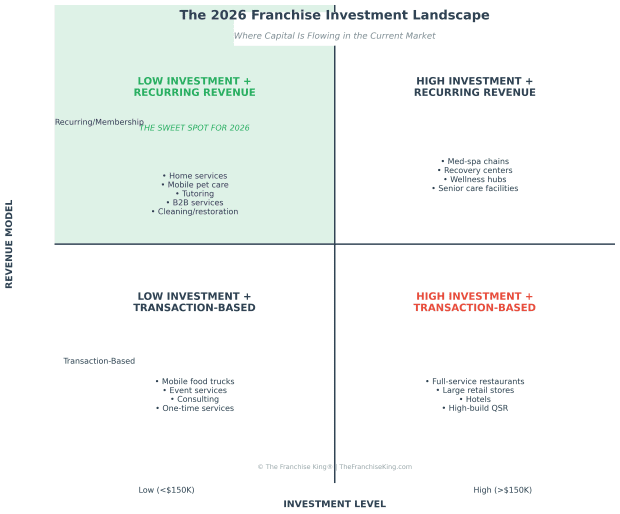
If you decide to work with workers, you'll likewise require to think about payroll taxes, wage/hour laws, workplace safety requirements, and benefits administration. As your revenue grows, you may likewise deal with more complex reporting or monetary record-keeping requirements to meet tax and regulative requirements. Building easy systems to track deadlines, maintain documentation, and stay on top of regulatory modifications can make compliance more workable as your service grows.

Latest Posts

What Drives Corporate Growth in the Current Market?

Benchmarking Fast Casual Sector Share against Fine Dining

Top 2026 Capital Strategies for Driving ROI